Best supplements for skin, hair and nails — an honest look
This is the most hyped category in the supplement aisle. Here's what dermatology research actually supports.
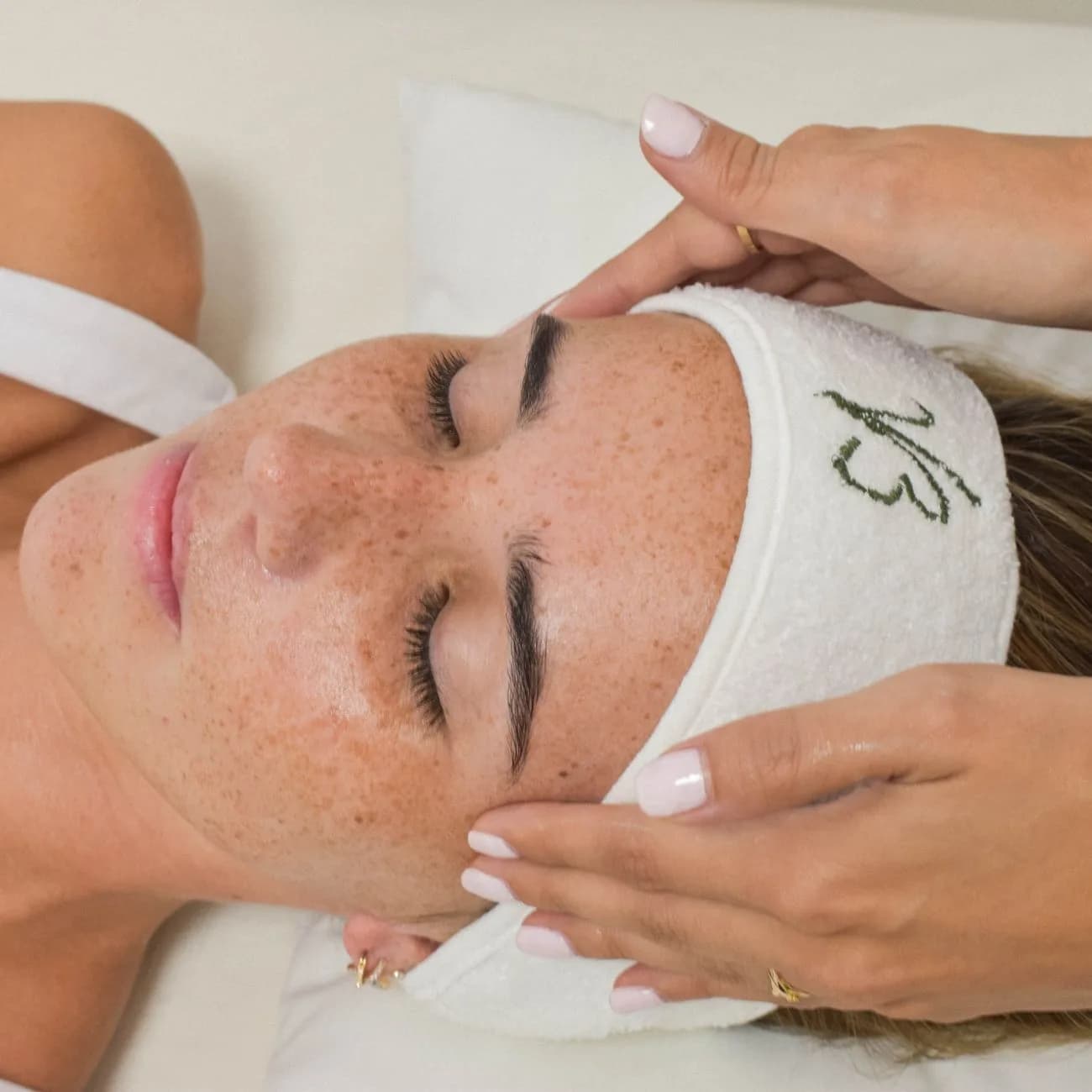
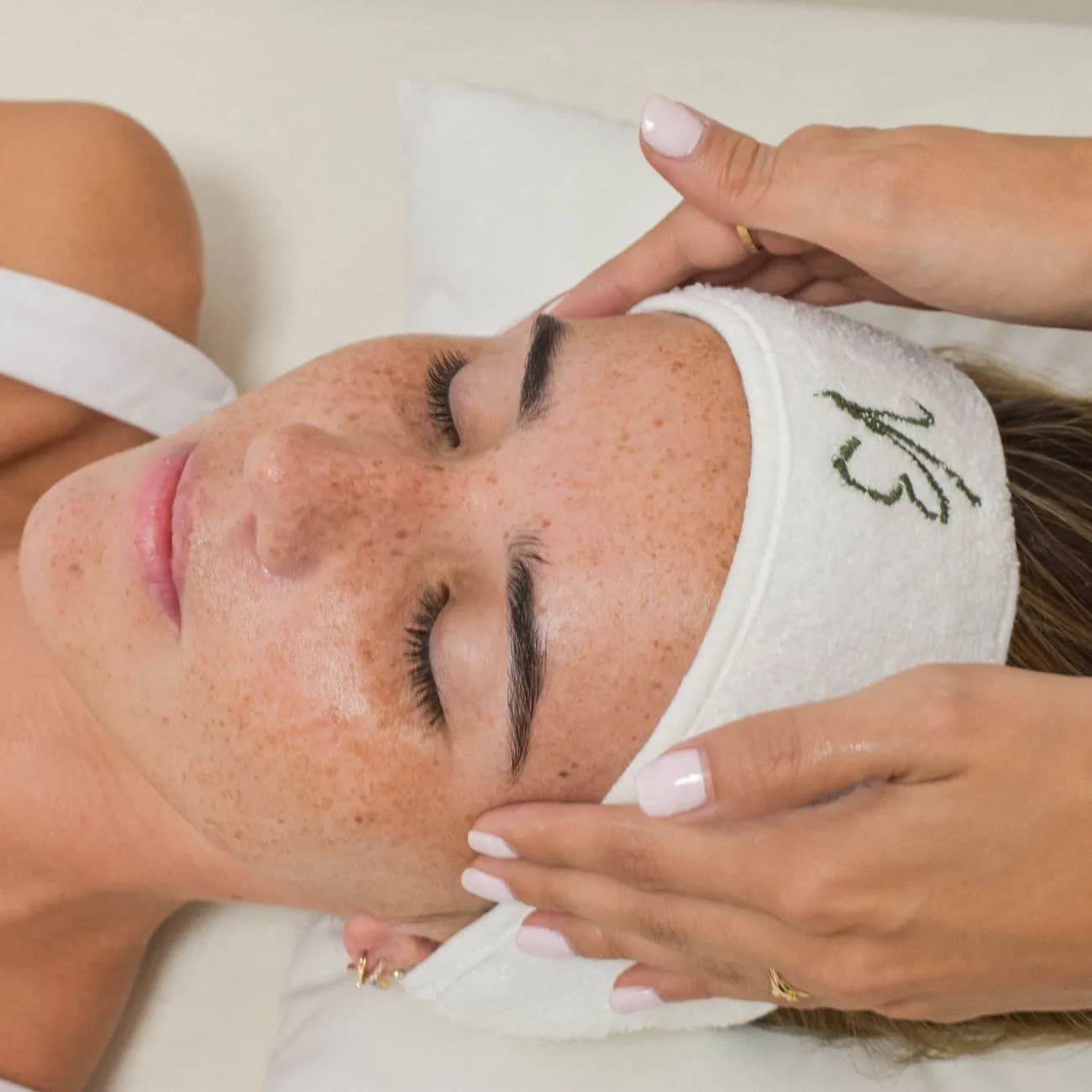
“Evidence for biotin supplementation benefiting normal, healthy hair is limited, and the Academy no longer routinely recommends it for unexplained hair loss; zinc deficiency has a clearer, more direct link to hair thinning than biotin does.”
Journal of the American Academy of Dermatology →What dermatology research actually says
This is worth stating plainly: dermatology's own published review is more cautious about biotin than most "hair, skin and nails" marketing suggests. Biotin hasn't been shown to benefit normal, healthy hair — its clearer benefit is in the rare case of an actual biotinidase deficiency. Zinc has a more direct, better-evidenced link to hair thinning specifically when someone is deficient.
Where collagen research stands separately
Collagen peptides are a separate body of evidence from biotin — several small-to-moderate trials show modest skin elasticity and hydration improvements over 8-12 weeks of daily use. See the full, hedged breakdown in does collagen actually work?
Where GLOW, ROOT and GLEAM fit
GLOW is built around marine collagen peptides specifically. ROOT and GLEAM combine biotin and zinc with antioxidant vitamins and traditional botanicals — general nutritional support rather than a guaranteed cosmetic fix, consistent with the more modest evidence base above.
What actually moves the needle first
Daily SPF and adequate sleep remain the two highest-impact habits for skin quality — supplements are a supporting layer, not a substitute. We're explicit about that in our collagen deep-dive because overselling this category is exactly the kind of hype this brand tries not to add to.
Zinc deficiency specifically, if hair loss is the concern
If hair thinning is your specific concern, zinc status is the more evidence-backed thing to check first — see zinc deficiency and hair loss for what a blood test can tell you that a supplement label can't.
Formulas that fit.

 Beauty
Does collagen actually work? An honest look
It’s the most-hyped ingredient in beauty supplements — here’s what actually holds up.
8 min readHairBiotin, zinc and traditional botanicals: what actually supports hair, skin and nails
It's the most crowded category in the supplement aisle. Here's what's evidenced and what's traditional-use only.
8 min readHairZinc deficiency and hair loss: what the evidence actually shows
Of everything in a typical hair-skin-nails formula, zinc has some of the clearest evidence behind it — when there's an actual deficiency.
7 min readBeautyMarine collagen in a gummy vs powder: does the format change the results?
Same source, two very different daily habits. Here's what actually changes — and what doesn't.
7 min readBeautyGummy vs capsule vitamins: does the format actually matter?
Same category of nutrients, a very different experience. Here's what changes when a vitamin becomes a gummy.
7 min readFrequently asked questions
Does biotin actually help hair growth?+
For most healthy people, the evidence is weak — dermatology's own review found no clear benefit for normal, healthy hair. It's more relevant in the rare case of an actual biotin deficiency.
Is collagen better evidenced than biotin?+
For skin elasticity and hydration specifically, yes — collagen has a more consistent (though still modest) body of clinical evidence than biotin does for hair.
What should I check first if I'm losing hair?+
A blood test for zinc, ferritin (iron) and thyroid function is more informative than assuming any single supplement ingredient is the cause — persistent hair loss is worth a dermatologist visit.
Can high-dose biotin cause problems?+
Yes — dermatology research flags that high-dose biotin can distort common blood tests, including thyroid and cardiac panels, which is worth telling your doctor about before any bloodwork.