Winter wellness: what actually helps through the darker months
From roughly October to March, your body is working with less sunlight than it's built for. Here's what the data says to do about it.

“In winter, close to 40% of Canadians fall below the vitamin D threshold generally used to indicate adequacy, compared to roughly 25% in summer — a pattern also documented in US NHANES data.”
Statistics Canada — Canadian Health Measures Survey →Why winter is a genuinely different nutritional situation
At Nordic and northern-North-American latitudes, the sun sits too low in the sky for UVB-driven vitamin D synthesis for several months a year — not a matter of spending more time outside, but a real seasonal gap documented in both US and Canadian health survey data.
Where LIGHT fits
LIGHT is formulated around 2,000 IU of vitamin D3 daily, sized for that seasonal shortfall — see vitamin D in the Nordic winter for the full explanation of why northern latitudes need more.
Winter and sleep, together
Shorter daylight hours can also disrupt circadian timing, which is part of why sleep support (see our sleep guidance page) is a reasonable companion habit through winter, not just a vitamin D question alone.
What winter wellness doesn't mean
This isn't about "boosting" immunity beyond normal function — the accurate framing, backed by the research, is that adequate vitamin D status supports normal immune function. It's not shown to prevent illness outright.

 Winter
Vitamin D in the Nordic winter: what you need to know
From October to March, your skin simply can’t make enough — no matter how much time you spend outside.
8 min read Winter
Vitamin D deficiency in the US and Canada: what the data actually shows
Government health survey data from both countries points the same direction — and winter makes it worse.
8 min read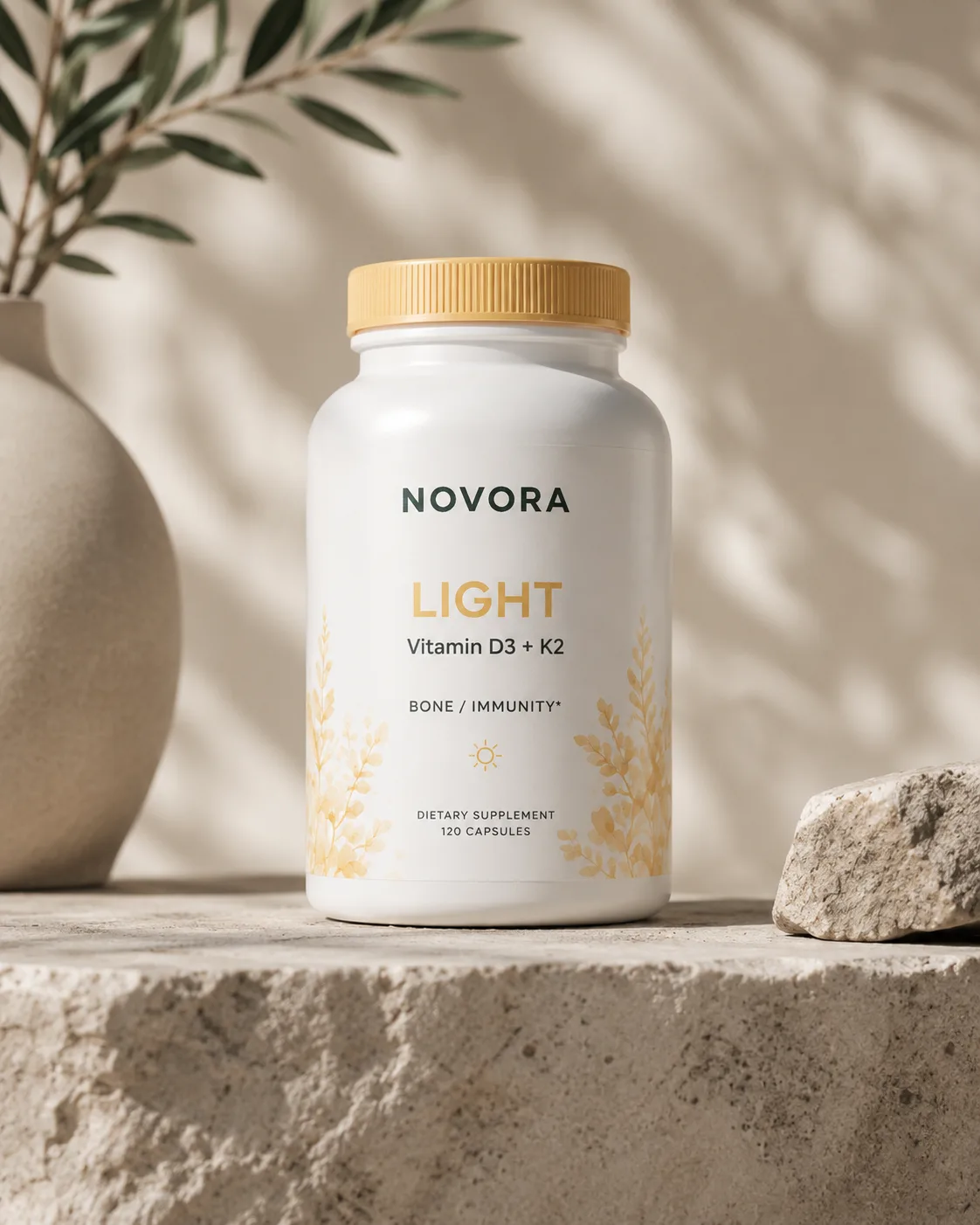 Winter
Vitamin D3 benefits: bone density, immunity and energy, explained
It's called the sunshine vitamin for a reason. Here's what a daily D3 softgel is actually doing.
8 min read Sleep
SleepWhy so many Americans and Canadians aren't sleeping enough
National health survey data from both countries points to roughly the same number: about a third of adults are falling short.
8 min readFrequently asked questions
Does winter wellness require more than vitamin D?+
Vitamin D is the best-documented, most specific winter gap — general habits (consistent sleep, reasonable diet, movement) still matter year-round alongside it.
When should I start supplementing for winter?+
Most Nordic and Canadian health guidance points to starting around October and continuing through March, when UVB synthesis is minimal or absent.
Can I just take more vitamin D in summer to compensate?+
No — vitamin D isn't meaningfully stored across seasons at casual supplement doses; consistent intake through the actual winter months is what the evidence supports, not front-loading in summer.