Best supplements for daily health: what's actually worth taking
Vitamin D and omega-3 are two of the most common gaps in Western diets — here's what the research on each actually shows.

“Vitamin D and omega-3 fatty acids are among the nutrients most commonly documented as under-consumed relative to general population targets, particularly at northern latitudes and among adults who don't regularly eat oily fish.”
NIH Office of Dietary Supplements →Two well-documented, unrelated gaps
Vitamin D and omega-3 intake shortfalls are two of the better-documented nutrition gaps in national health survey data — see our sourced breakdowns in vitamin D deficiency in the US and Canada and the omega-3 intake gap, both built on NHANES and Statistics Canada data.
Where LIGHT fits
LIGHT delivers 2,000 IU of vitamin D3 daily — sized for the seasonal UVB shortfall documented at northern latitudes. See vitamin D3 benefits, explained for the mechanism.
Where OMEGA fits
OMEGA delivers 180mg EPA and 120mg DHA per softgel from fish oil concentrate, aimed at the well-documented gap between typical intake and commonly referenced targets — see the benefits of omega-3, explained.
Why these two, specifically, keep showing up in guidance
Both are structural, ongoing-supply nutrients your body either can't produce (omega-3) or can't reliably produce enough of without direct summer sun (vitamin D) — which is why general nutrition guidance keeps returning to them regardless of diet quality otherwise.
What "daily health" doesn't mean here
Neither of these is a same-day-effect supplement. Both are maintenance nutrients studied and dosed for consistent daily use over months, not a quick fix for feeling run down.


 Winter
Vitamin D deficiency in the US and Canada: what the data actually shows
Government health survey data from both countries points the same direction — and winter makes it worse.
8 min read Heart
HeartAre Americans getting enough omega-3? What NHANES actually found
Government nutrition survey data shows a persistent, well-documented gap between recommended and actual EPA and DHA intake.
7 min read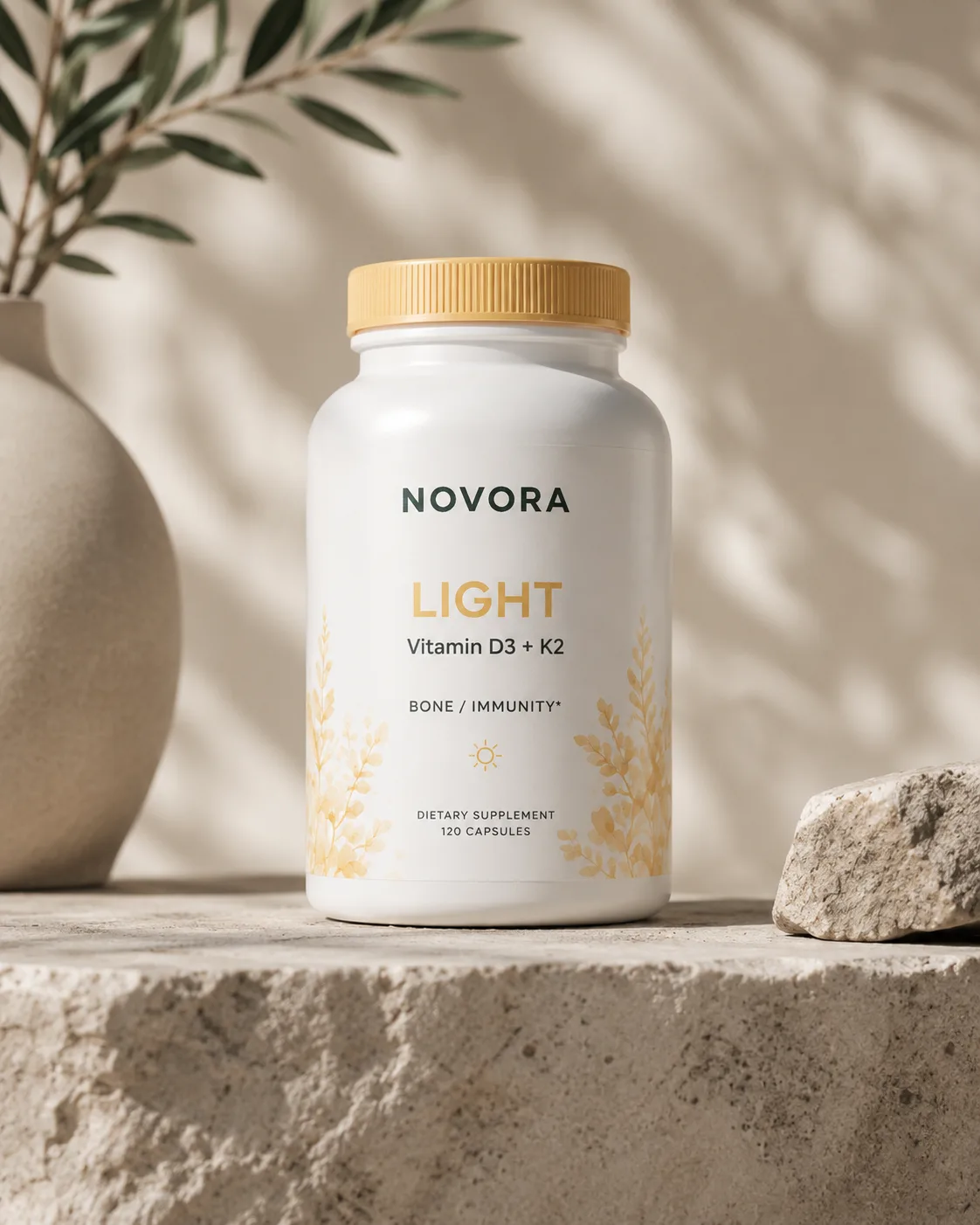 Winter
Vitamin D3 benefits: bone density, immunity and energy, explained
It's called the sunshine vitamin for a reason. Here's what a daily D3 softgel is actually doing.
8 min read Heart
HeartThe benefits of omega-3: what EPA and DHA actually support
Heart, brain, eyes, joints — omega-3 gets credited with a lot. Here's what the evidence actually backs, ingredient by ingredient.
9 min readFrequently asked questions
Do I need both vitamin D and omega-3?+
They're independent, non-overlapping gaps — needing one doesn't tell you much about the other. Both are common enough in national survey data that checking your diet and, ideally, blood levels for vitamin D is a reasonable starting point.
Can I get enough from diet alone?+
For omega-3, only if you eat oily fish several times a week, which most people in the US and Canada don't. For vitamin D specifically at northern latitudes in winter, diet alone is very difficult to make work.
Which should I prioritize?+
Whichever the data suggests you're more likely short on — a blood test for vitamin D is the more direct answer; omega-3 intake can be reasonably estimated from how often you eat oily fish.