Best supplements for energy and focus, without the crash
Testosterone, zinc, magnesium and stimulant-free botanicals — here's what actually supports energy as you get older.

“Total testosterone declines by roughly 1% per year on average starting around age 30 — a gradual, well-documented pattern independent of major lifestyle factors like smoking or obesity.”
Massachusetts Male Aging Study (JCEM) →A gradual, well-documented decline
Longitudinal research on aging men has consistently found testosterone declining by around 1% per year on average from roughly age 30 onward — small year to year, but cumulative, and part of why energy, recovery and focus can shift gradually enough to be written off as "just getting older."
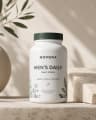
Where MEN'S DAILY fits
MEN'S DAILY combines zinc, Tongkat Ali, Maca and L-Arginine — zinc has research support for maintaining normal testosterone specifically in men who are deficient; Tongkat Ali has a smaller, growing evidence base for a similar deficiency-correcting role. See Tongkat Ali vs Maca, compared for the full breakdown.
Where RISE fits — a stimulant-free angle
RISE pairs Cordyceps with GABA, Ginkgo, L-Glutamine and DMAE — a caffeine-free approach to stamina and mental clarity. See is Cordyceps the new caffeine? for an honest look at what this category can and can't replace.
Where CALM fits — daytime focus without drowsiness
If the issue is more "wired but tense" than "low energy," CALM's L-theanine addresses a different mechanism — see L-theanine vs magnesium for stress for how to tell which problem you actually have.
Being honest about the evidence spread
Zinc and L-Arginine have the more established research in this category; Tongkat Ali, Maca and Cordyceps have smaller, still-developing evidence bases. None of this is a testosterone treatment or a substitute for medical evaluation if fatigue is persistent and significant.
Formulas that fit.

 Energy
Tongkat Ali vs Maca: two traditional herbs for men's vitality, compared
Both show up constantly in men's vitality blends. Here's what each is actually traditionally used for, and where the modern evidence stands.
8 min readEnergyCordyceps, GABA and Ginkgo: what the evidence says about focus and energy
A traditional mushroom, an inhibitory neurotransmitter, and one of the oldest tree species on earth — here's what each actually contributes.
8 min readEnergyIs Cordyceps the new caffeine? The mushroom coffee trend, examined
Functional mushrooms went mainstream fast. Here's what's genuinely promising and what's outrunning the evidence.
7 min read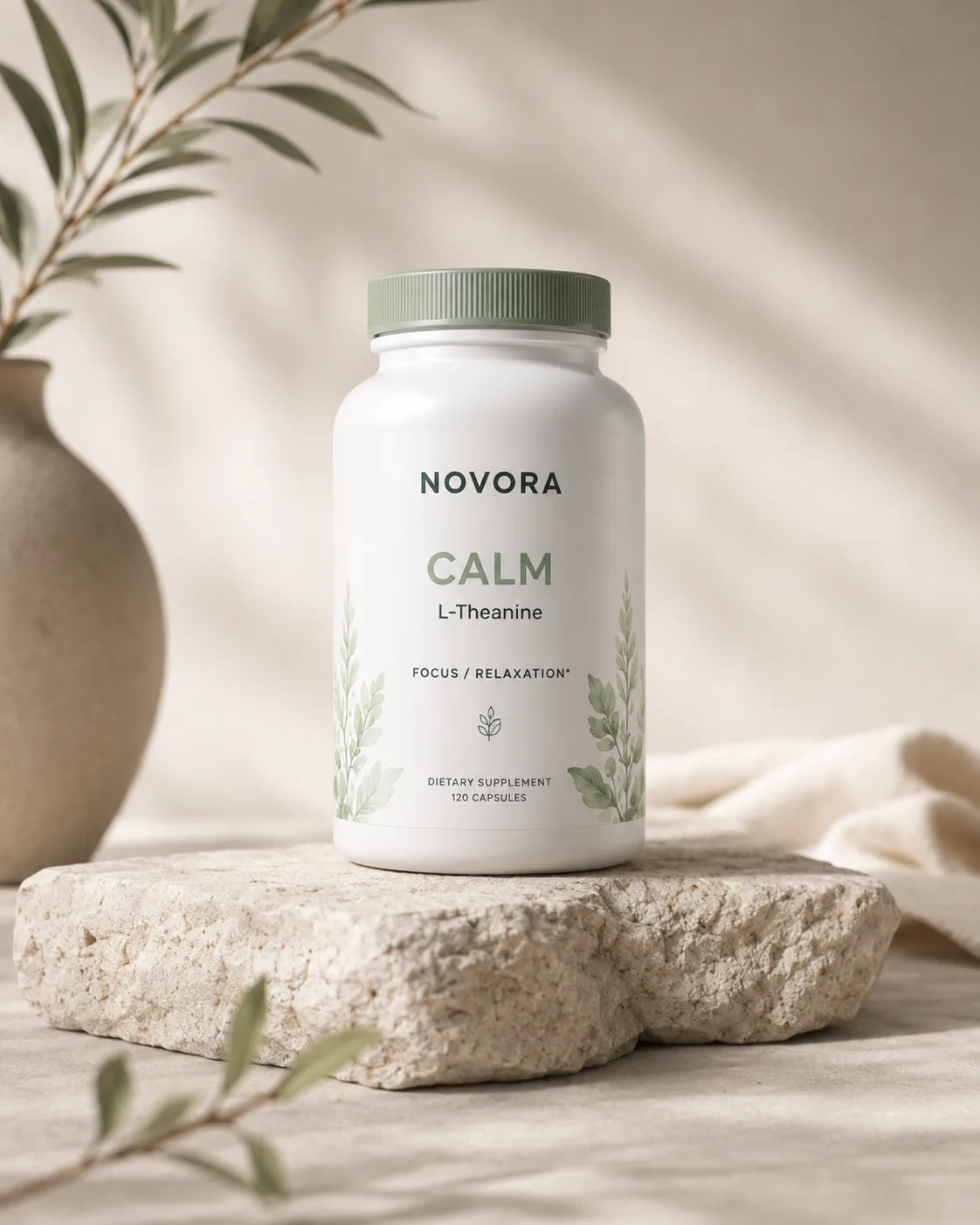 Focus
FocusL-theanine vs magnesium for stress: how they're different
Both get recommended for everyday stress. They work through completely different mechanisms — here's which fits which problem.
8 min read Energy
Why men’s vitality needs change with age
Energy, stamina and recovery don’t decline because of one thing — they decline because of several small gaps at once.
8 min readFrequently asked questions
Does testosterone decline happen to every man?+
The roughly 1%-per-year average decline from age 30 is a well-documented population pattern, though individual variation is real — a blood test is the only way to know your own status.
Can supplements meaningfully raise testosterone?+
Zinc and Tongkat Ali have evidence for supporting normal levels specifically in men who are deficient — not for raising testosterone above an already-normal baseline.
Which product should I start with?+
Depends on the problem: MEN'S DAILY for general vitality and a testosterone-adjacent nutrient gap, RISE for stimulant-free mental stamina, CALM for daytime tension without drowsiness.
Is persistent fatigue always a testosterone issue?+
No — persistent, significant fatigue has many possible causes (sleep, thyroid, iron, mental health) and is worth a doctor's evaluation rather than assuming a single supplement category is the fix.