Inflammation, explained: acute vs chronic, and what actually helps
Inflammation gets blamed for nearly everything in wellness content. Here's the real, more useful distinction.

Inflammation isn't inherently bad
Acute inflammation is your immune system's normal, essential response to injury or infection — the redness and swelling around a cut, or the fever with a cold, are inflammation doing exactly what it's supposed to do. Without it, you couldn't heal or fight infection.
Where the problem actually lies: chronic inflammation
Chronic, low-grade inflammation — sustained over months or years rather than resolving after days — is the pattern linked in research to a range of long-term health concerns. This is a fundamentally different situation from the acute inflammation around a sprained ankle.
What drives chronic inflammation
Ongoing factors like poor sleep, chronic stress, excess body fat (particularly visceral fat), smoking, and a diet low in whole foods are all linked to sustained low-grade inflammation — no single cause, but an accumulation of contributing factors.
Can you "test" for inflammation?
Blood markers like CRP (C-reactive protein) can indicate elevated systemic inflammation, though they're a general signal rather than a diagnosis of any specific condition — worth discussing with a doctor rather than interpreting alone.
Where omega-3s fit into this honestly
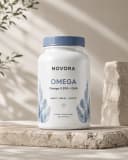
EPA and DHA are involved in producing certain anti-inflammatory signaling molecules, which is part of the mechanism behind omega-3's cardiovascular research — see the benefits of omega-3, explained for the specifics. This is a supporting, structural role, not a targeted "anti-inflammatory treatment" claim.
What actually moves the needle on chronic inflammation
Consistent sleep, regular movement, a diet with adequate fiber and reduced ultra-processed food, and not smoking are the best-evidenced levers — bigger, more consistent effects than any single supplement, inflammation-focused or otherwise.
What "anti-inflammatory diet" marketing usually overstates
Specific foods marketed as "anti-inflammatory superfoods" rarely have strong evidence for a standalone effect — overall dietary pattern (consistently high in whole foods, low in ultra-processed ones) is what the research actually supports, not any single ingredient doing the work alone.
Frequently asked questions
Is all inflammation bad?+
No — acute inflammation is a normal, necessary healing response. Chronic, sustained inflammation is the pattern linked to long-term health concerns.
Can I feel chronic inflammation?+
Not directly and reliably — unlike acute inflammation (visible swelling, pain), chronic low-grade inflammation often has no obvious symptoms, which is part of why it's harder to self-diagnose.
Do omega-3 supplements reduce inflammation?+
EPA and DHA are involved in anti-inflammatory signaling pathways, with real supporting research, particularly for cardiovascular markers — but this is a structural, ongoing-supply role, not a fast-acting anti-inflammatory treatment.
What's the single best evidenced way to reduce chronic inflammation?+
No single lever — sleep, diet pattern, movement and not smoking together have the strongest, most consistent evidence, more than any individual food or supplement.
Should I get my CRP tested?+
If you're concerned about chronic inflammation, ask a doctor — CRP is a reasonable general marker but needs clinical interpretation, not self-diagnosis.
This article is for general information and isn’t medical advice. Talk to a healthcare professional before starting any new supplement, especially if pregnant, nursing, under 18, or managing a medical condition.