Magnesium vs melatonin for sleep: how they're different
One is a mineral your body already runs on. The other is a timing signal. Here's how to tell which gap you actually have.

Two completely different mechanisms
Magnesium is a mineral involved in over 300 enzymatic reactions in the body, including ones tied to nervous system regulation and muscle relaxation — low levels are associated with poorer sleep quality, not a specific sleep-onset signal. Melatonin is a hormone that signals your body clock it's time to wind down — a timing cue, not a relaxant.
What the research on magnesium and sleep actually shows
A review of small studies, mostly in older adults, found magnesium supplementation associated with a modest reduction in the time it takes to fall asleep and some improvement in subjective sleep quality — a real but more modest effect than melatonin's more direct, well-evidenced role in circadian timing.
Why magnesium is a slower, gap-filling supplement
Magnesium's sleep benefit is best understood as correcting an underlying deficiency-linked pattern (muscle tension, nervous system regulation) rather than delivering a same-night effect the way melatonin's timing signal can. It's a supplement you take consistently and evaluate over weeks, not a single-dose sleep aid.
Where melatonin's timing-signal role is more directly useful
Jet lag, shift work, or a bedtime that's drifted later and later — situations where the core issue is circadian timing rather than general muscle tension — are where melatonin's mechanism is most directly relevant. See melatonin vs valerian for more on that comparison.
Does NIGHT contain magnesium?
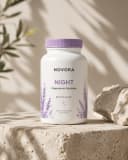
No — NIGHT is built around Valerian, Chamomile, GABA, L-Tryptophan, Lemon Balm, Passion Flower and Melatonin. If a magnesium deficiency specifically is what's disrupting your sleep, that's a distinct gap worth checking with a blood test rather than assuming any single sleep formula covers it.
Magnesium form matters more than most labels admit
Magnesium oxide, the cheapest and most common form, is generally less well absorbed and more likely to cause digestive upset than glycinate or citrate — worth checking the specific form on any magnesium product's label, not just the total elemental mg.
Can you take both?
There's no known interaction between magnesium and melatonin — they work through unrelated pathways, so combining them isn't something to be cautious about the way stacking two sedative-adjacent herbal ingredients would be.
A practical way to tell which gap you have
If your main issue is a racing mind or a shifted schedule (travel, screens, an inconsistent bedtime), melatonin's timing mechanism is the more directly relevant tool. If it's more physical — tense muscles, restlessness, a general wound-up feeling — a magnesium deficiency is worth ruling out first, ideally with a blood test rather than guessing.
Frequently asked questions
Is magnesium or melatonin better for sleep?+
They address different things — melatonin is a timing signal most relevant to circadian disruption; magnesium supports nervous system relaxation and is more relevant if you're running low on it specifically.
How do I know if I'm magnesium deficient?+
A blood test is the only reliable way to know — symptoms like muscle cramping, tension or restless sleep are common but nonspecific signals, not a diagnosis on their own.
Can I take magnesium and NIGHT together?+
There's no known interaction — NIGHT doesn't currently include magnesium, so there's no overlap to worry about if you're adding a separate magnesium supplement.
How long before magnesium affects sleep?+
Most of the research reflects several weeks of consistent daily use rather than a single dose — treat it as a gradual, deficiency-correcting habit.
Does magnesium cause next-day grogginess like some sleep aids?+
No — magnesium isn't a sedative, so it isn't associated with the kind of next-day fog linked to some over-the-counter sleep medications.
What's the best magnesium form for sleep?+
Magnesium glycinate is commonly favored for sleep-related use specifically because it's well absorbed and less likely to cause the digestive upset associated with magnesium oxide.
This article is for general information and isn’t medical advice. Talk to a healthcare professional before starting any new supplement, especially if pregnant, nursing, under 18, or managing a medical condition.